






Introduction
The first time I noticed the crack, I believed, it was a poor paintwork. It ran diagonally from the corner of a bedroom window, thin as a pencil line and I did what most of us do: I ignored it.
Six months later I could slide a coin into it. The bedroom door had also started sticking every time the weather turned damp. uld slide a coin into it. The bedroom door had also started sticking every time the weather turned damp. That was my wake up call.
That small crack sent me down rabbit hole of foundation report contractor quotes lengthy conversation with a structural engineer.And here is what surprised me most almost nobody explain foundation underpinning in plain English.You get either scary sales talk or dense engineering jargon,and neither helps a worried homeowner.
So this is the guide I wish I would had. We will walk through seven facts that really matter, and along the way I’ll show how underpinning fits into the bigger world of foundation stabilization so you know which problem needs which fix.
What Foundation Underpinning Really Is
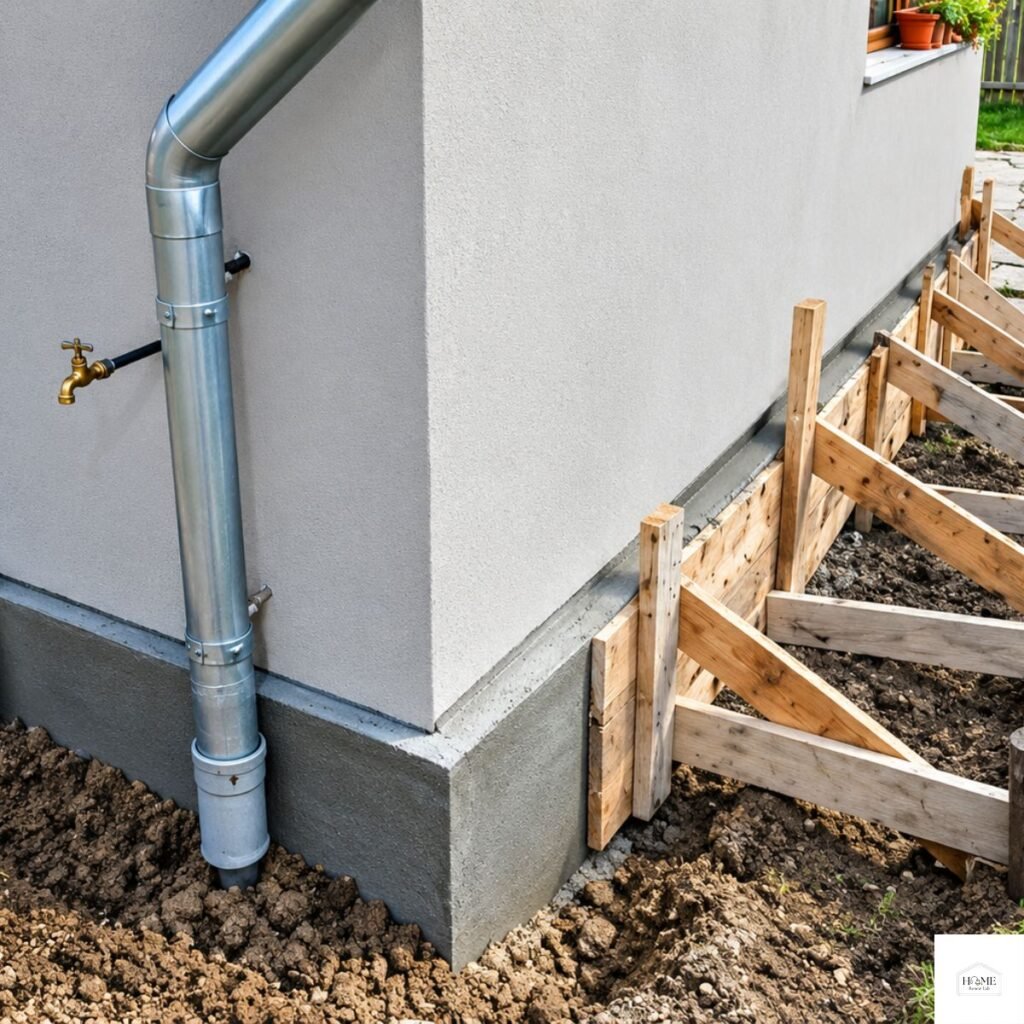
Foundation underpinning is process of strengthening deepening an existing foundation so it can carry your home’s weight on firmer ground. Think of it giving your house new stronger legs without lifting whole building off the earth.
In practice that usually mean extending the foundation down to deeper more stable layer of soil rock widening it so the load spread over bigger area. The house stays put. The support underneath it changes.
Underpinning vs. foundation stabilization
People use these two terms as if they have the same meaning and that cause a lot of confusion. Here is how I clarify the difference:
- Foundation underpinning is about transfer the load to stronger support, usually deeper wider.
- Foundation stabilization is broader goal of stopping movement and maintaining structural stability. It can include underpinning but also drainage improvement soil improvement, crack repair and slab lifting.
So underpinning is one method and foundation stabilization is the full range of solutions. If contractor says “we’ll stabilize your foundation,” ask exactly how. The answer tell you a lot about whether they’ve actually diagnosed the problem.
When You May Need Foundation Underpinning
Underpinning make sense when the soil under foundation has settled,lost strength or simply can not carry the load anymore. It is also common when owners want to create a basement or a heavy extension because the old footings were not originally designed for that extra weight.
It’s not a cure for every crack though. Hairline crack from normal concrete curing usually just need monitoring or a bit of sealing not a major structural job.
Why Foundations Lose Their Footing
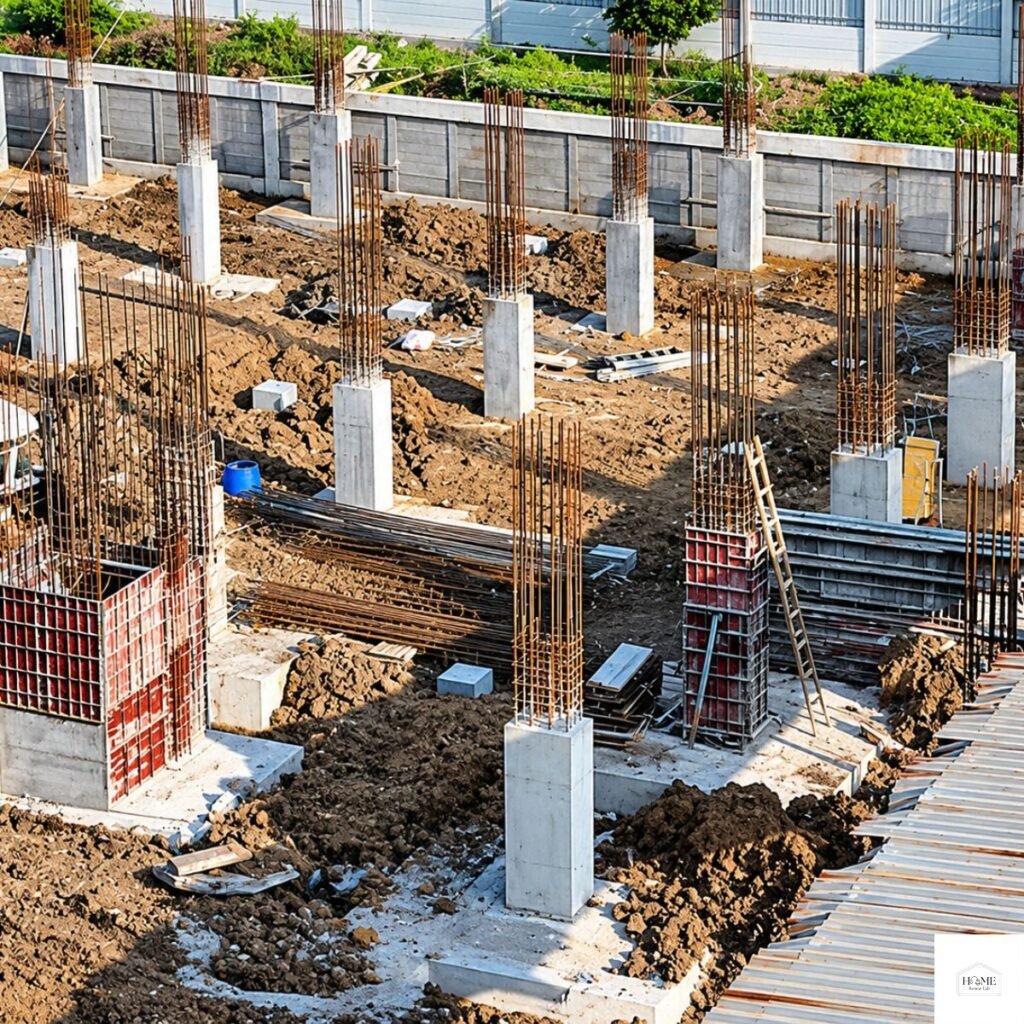
Foundation rarely fail because of one dramatic event. The process is usually slow sneaky which is exactly why people miss it. And this part matter underpinning a foundation without fixing cause is like bailing out a boat without patching the hole.
Soil that won’t sit still
Clay soil swell when they are wet shrink when they dry out. That seasonal push and pull move footings up and down a little at a time. Poorly compacted fill dirt and naturally soft soil are the other usual suspects since they compress under a building’s weight.
Water too much or too little
Bad drainage clogged gutter leaking pipe can soften wash away soil under foundation. On the flip side a long dry spell can shrink soil and leave gap under the footing.
In my own case the culprit was embarrassingly simple downspout dumping water right next to the corner where the crack began. Once a pro pointed it out I could not unsee it.
Trees, nearby work and plain old age
A few other things quietly add up:
- Big, thirsty trees planted close to the house pulling moisture out of the ground
- Digging, heavy traffic or vibration from construction nearby
- Older homes built on shallow footings that were fine for their day but not for decades of soil change
- Original construction shortcuts, such as poor compaction or undersized footings
Most of the time it’s a mix of two or three of these. That’s why a good assessment looks at the whole property, not just the crack.
Warning Signs You Should not Ignore
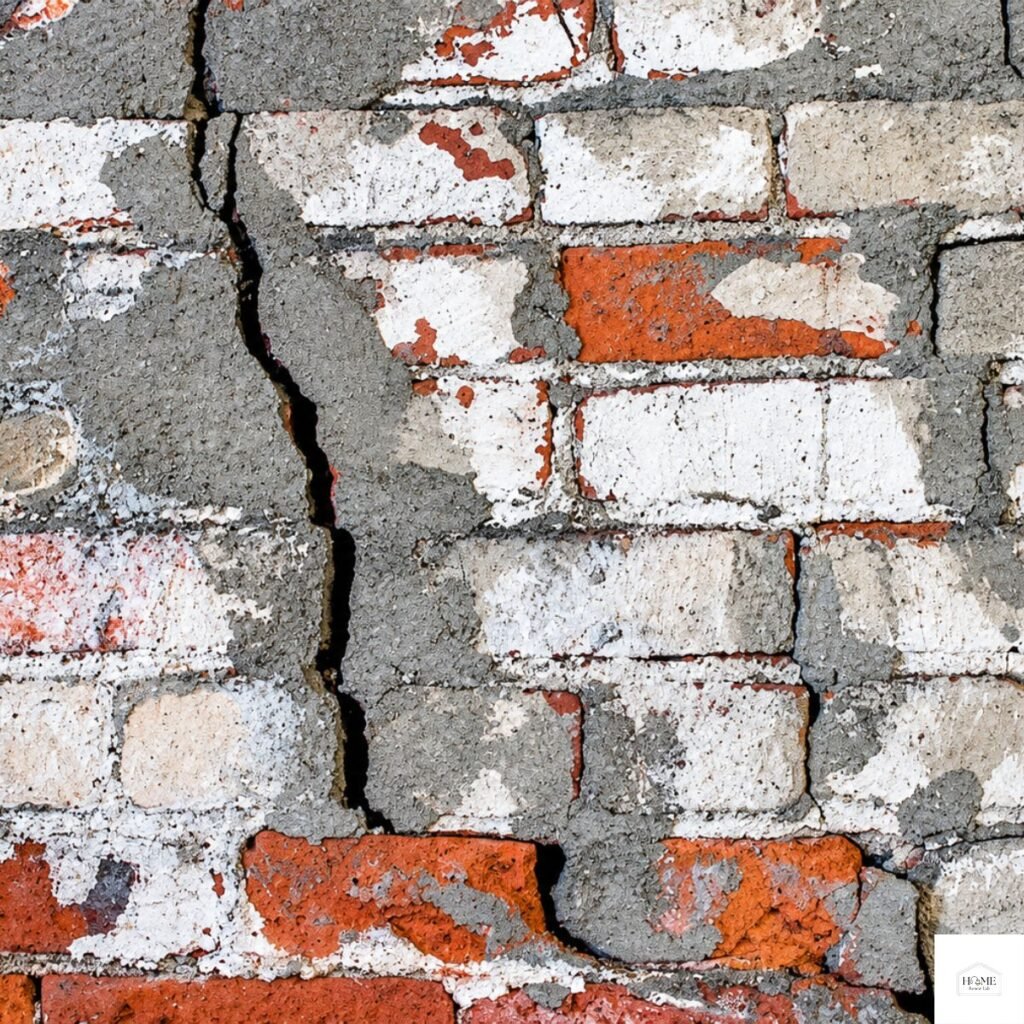
Your house usually tell you something is wrong long before problem get expensive.The trick is learn to listen.Not every crack is crisis but a few pattern deserve real look.
Signs inside the house
- Door and window that stick jam or won’t latch the way they used to
- Crack in drywall, especially ones that run diagonally from corner of doors and windows
- Gaps between walls and the ceiling or floor
- Floors that slope feel bouncy or have developed noticeable dip
- Nail pops and tiles that crack for no clear reason
Signs outside the house
- Stair step cracks running through brick or block walls
- A chimney or porch that seem to be pulling away from the main house
- Horizontal crack in a basement wall which can point to pressure from soil outside
- Visible gaps around the foundation line where soil has dropped away
How to tell “normal” from “call someone”
Here is my rough rule of thumb. Hairline cracks that do not change are usually cosmetic. Cracks wider than about a quarter inch cracks that keep growing several warning sign showing up together are a reason to get professional opinion.
A cheap trick that work for me mark both end of a crack with a pencil write the date and check it every few weeks. If it keeps creeping past your mark stop guessing and book an inspection.
The Main Underpinning Methods
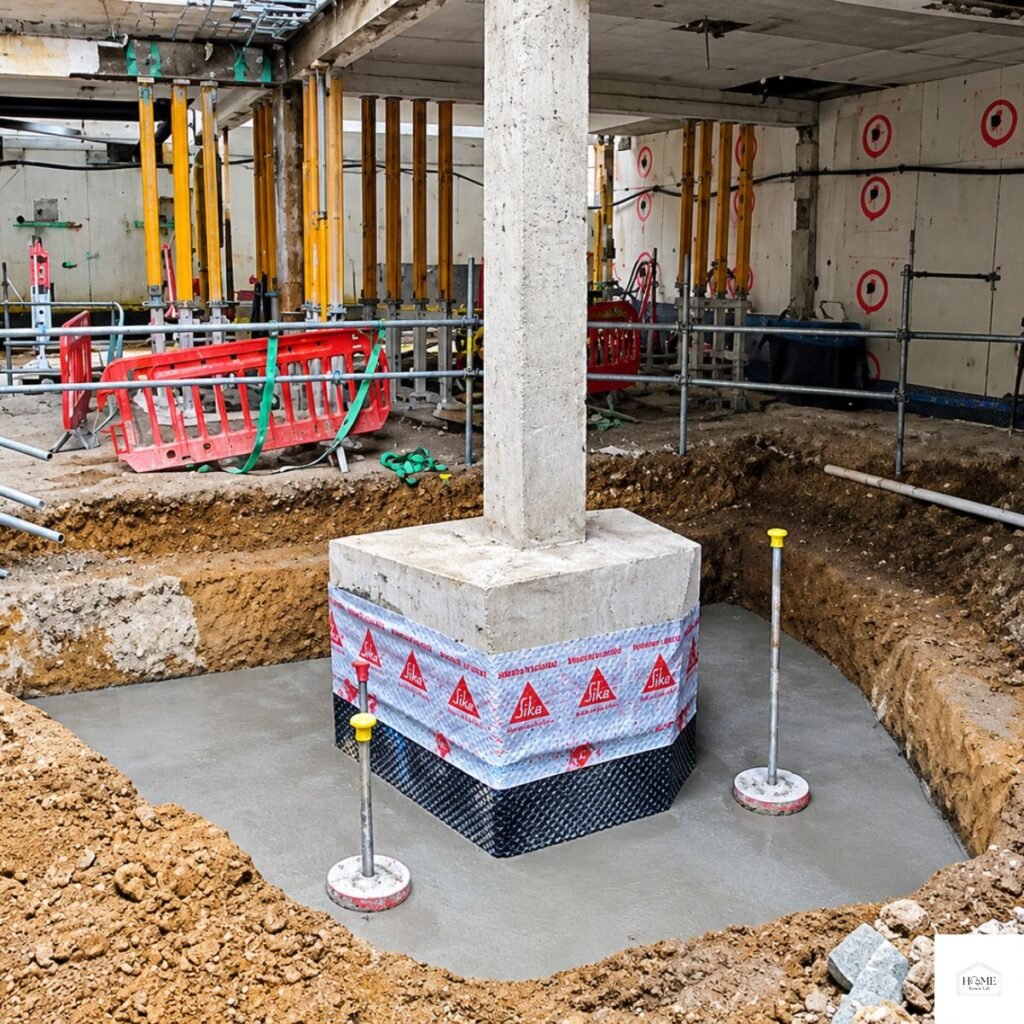
There is no single “best” way to underpin a foundation. The right method depend on your soil the weight of the house how deep the good ground is, and how much room there is to work. Here are the ones you will hear about most.
Mass concrete underpinning
This is the traditional approach. Crew dig out small section beneath the existing footing in a plan sequence then fill each one with concrete. They never dig out too much at once so the house is always supported.
It works well when stable soil is fairly shallow. It’s also slow, messy and labor heavy, which is why it’s less common for deep problems.
Helical piers
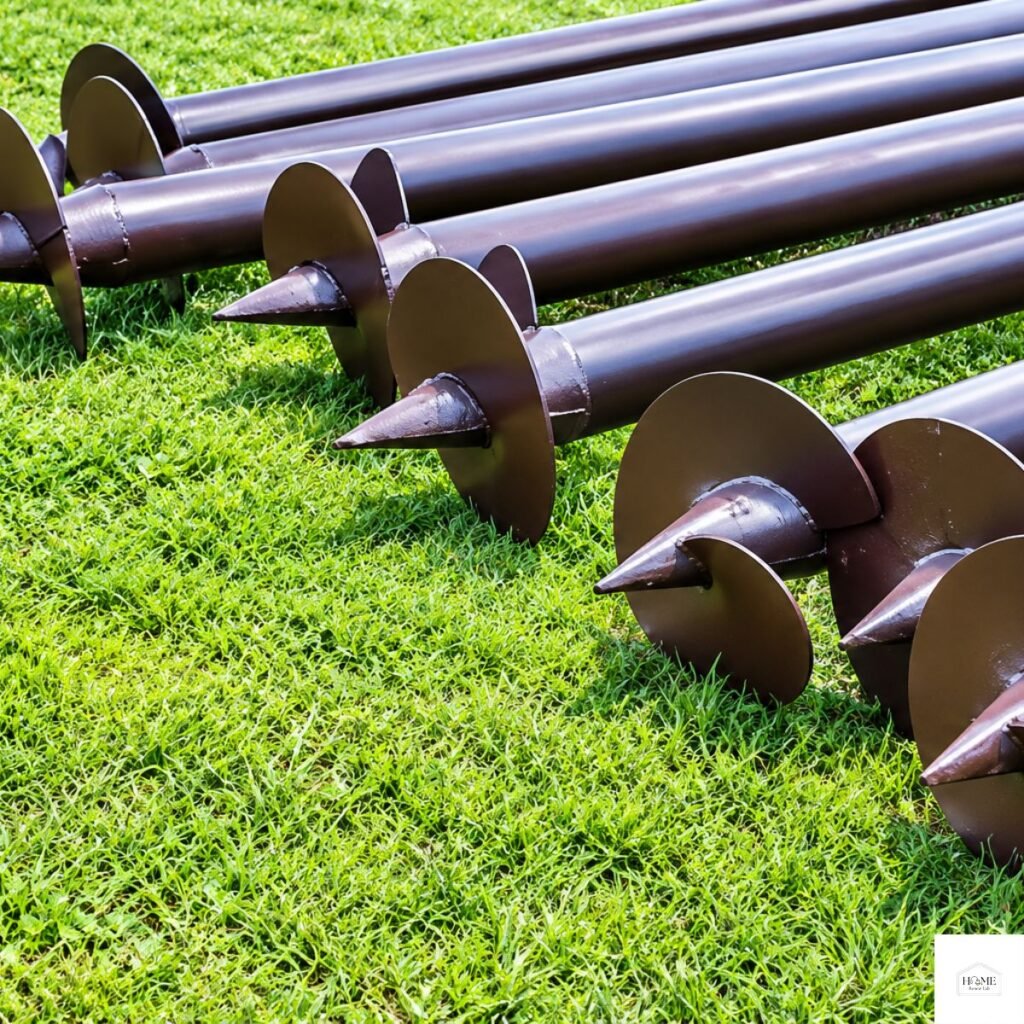
Think of giant steel screws. Helical piers are twisted into the ground until they reach soil that can carry the load, then attached to the foundation with brackets. There’s very little digging, and installation is quick. They’re often a good fit for lighter structures.
Push (resistance) piers
Steel tubes are hydraulically pressed deep into the ground using weight of the building as resistance until they reach firm soil rock. Because they can go quite deep they suit heavier structure. In many cases they can also lift sunken section back toward level.
Micropiles and beam and base systems
Micropiles are small diameter piles that are drilled and grouted in place handy for tight spaces or very poor soil. Beam and base systems use a reinforced concrete beam to carry the wall load to widely spaced pads. Both usually need an engineers design.
Quick comparison
| Method | Works best for | Disruption | Worth knowing |
| Mass concrete | Shallow good soil | High | Slow, but a proven approach |
| Helical piers | Lighter structures | Low | Fast, little excavation |
| Push piers | Heavier structures | Medium | Deep reach, can help re-level |
| Micropiles | Tight access, poor soil | Medium | Needs engineered design |
Other foundation stabilization options
Underpinning is not necessary. Depending on the diagnosis foundation stabilization may also involve slab stabilization by injecting grout foam under sunken concrete slab improving drainage treating weak soil. Do not let anyone sell you piers when downspout fix would do.
What It Cost and Why Prices Vary So Much
let’s discuss the cost it is the question everyone really asking. The straightforward answer is that price swing wildly.Small localize repair might cost few thousand dollar while underpinning an entire house can climb into tens of thousand.
I won’t pretend to give you an exact number anyone who quotes one without seeing your property is guessing. What I can do is explain what push price up or down.
What drives the price
- How much of the foundation needs work. One corner is a very different job from the whole perimeter.
- The method. Helical piers push piers, mass concrete and micropiles all carry different material and labor costs.
- Depth to stable soil. The deeper pier or pit has to go the more it costs.
- Access. Tight space finished basement and landscaping in the way all add labor.
- Engineering and permits. Many area require engineered plan and inspection and those fees are real.
- Extras. Drainage work re-leveling, crack repair and cosmetic fix after job are often separate line item.
Why the cheapest quote can be the most expensive
I learned this one the hard way. One quote came in far below the others, and it turned out to cover fewer supports than the engineer had recommended. A low bid that skips what’s needed isn’t a bargain. It is just a delayed bill.
Always ask each contractor to list the number of piers or pits the depth, the warranty and what happen if the house keeps moving.
Is it worth it?
In most cases, yes. Foundation problem almost never fix themselves and they tend to get worse and costlier with time. A stable foundation also protects your home’s value and makes it far easier to sell. Check your homeowner’s policy too though many policies exclude gradual settlement, so do not count on coverage.
How to Choose the Right Professionals
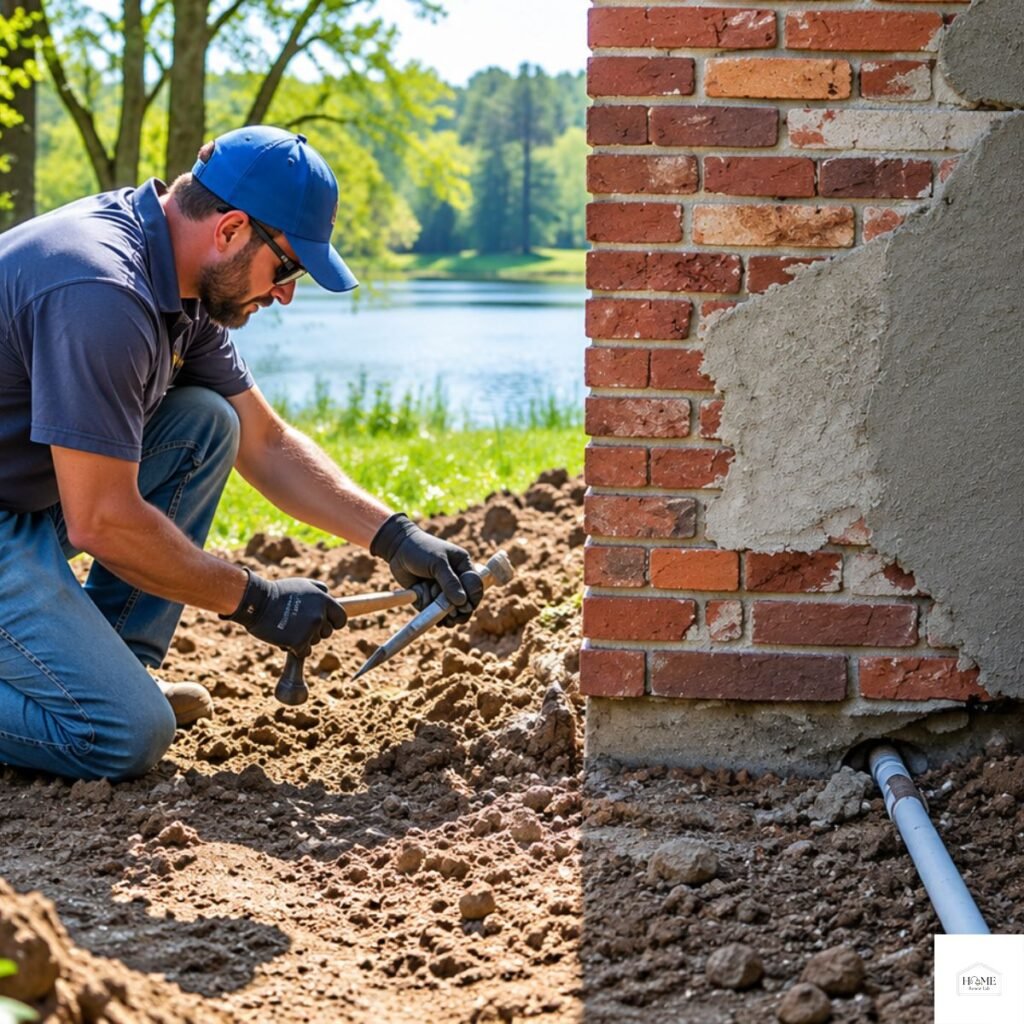
This is the part where most homeowner either save themselves a fortune or quietly lose one. Foundation work is specialized and the person who diagnoses problem should not automatically be the person who profit from the repair.
Start with an independent structural engineer
An engineer with no stake in the job can tell you what is actually wrong whether underpinning needed and what the repair should look like. Their report give you a neutral scope of work to hand to every contractor. In my experience paying for this up front is best money you will spend in the whole process.
Easy to follow checklist for vetting contractors
- Request evidence of license insurance make sure both are up to date.
- Get at least two or three written estimate covering the same scope of work.
- Ask for local reference and if possible visit past job.
- Find out who pull permit and who schedule the inspection.
- Read warranty carefully what it cover how long it last and whether it transfer to the next owner.
Ask what happen if house keeps settling after work is done.
- Red flags to walk away from
- Pressure to sign today because of a “special discount”
- A diagnosis given in five minutes with no measurements
- No written scope, or one that’s vague about the number and depth of supports
- Reluctance to talk about engineering or permits
A good contractor won’t mind your questions. They’ll actually enjoy them, because it means you’re taking the job seriously.
What Happen Before During and After the Work
Nobody warn me how much of the process is paperwork and patience. Knowing rough timeline take a lot of the stress out of it.
Before the work starts
First come the assessment and engineering plan then permit which can take anywhere from days to week depending on where you live. Utilities such as water gas and electric lines need to be located before anyone digs. You will also want to clear work area and move anything valuable away from affected wall.
During the work
Expect noise dust, trenches around house and a bit of chaos in the yard. Most job take days to a few weeks depending on size or method. Helical and push piers tend to be quicker while mass concrete work takes longer.
The crew will transfer the buildings weight onto the new support step by step then backfill the excavated areas. A good crew explain each stage as it happen so ask question while they’re there.
After the work is done
This is where people get impatient. Once the house is supported resist the urge to patch every crack right away. Many pros suggest waiting few week or months so the structure fully settles before cosmetic repair.
Here’s what I did, and what I’d recommend:
- Re-check doors and windows and note any changes
- Keep the engineer’s report permits and warranty in one folder
- Fix the original cause, such as drainage, gutter or plumbing leak
- Monitor old crack with pencil mark for next year
- Schedule a follow up inspection if the warranty or engineer recommends one
That folder of paperwork paid off later. When it came time to talk to potential buyers, having everything documented made the conversation easy.
Common Mistakes, and Where Foundation Stabilization Is Heading
Mistake I see homeowners make again and again
A few of these cost people real money so they are worth spelling out:
- Waiting too long. Small movement is cheaper to fix than big movement. Crack do not heal themselves.
- Treating the symptom only. Filling crack while ignoring drainage or soil issues is just short break before the next one.
- Skipping the independent opinion. A single contractor’s diagnosis is one voice, not the whole story.
- Choosing on price alone. As I mentioned, a bargain quote can leave out half the job.
- Ignoring the water. Gutters, grading and leaking pipes cause more trouble than most people realize.
- Repairing cosmetics too soon. Fresh drywall over a house that’s still moving will just crack again.
Where things are going
The field is changing in some interesting ways. Inspector increasingly use drones laser scanning and digital level surveys to map movement with far more precision than a tape measure ever could. Some homeowner are even adding simple monitoring sensor that track crack width over time.
Installation methods are also getting less invasive. Pier systems that need little digging, and faster equipment, mean less mess in the yard and shorter jobs. There’s growing interest in lower-carbon concrete and recycled steel as well.
And with more extreme wet and dry swings in many regions, soil movement is likely to keep making foundation stabilization a hot topic. My take the best protection will always be boring maintenance such as clean gutter and good drainage paired with early action when something look off.
Final Thought
Looking back that small crackby bedroom window was the best thing that could have happened to me. It encouraged me to understand my house actually stand up and it help me realize that foundation problem are scary mostly when they are mysterious.
You know what underpinning is why foundation move how foundation stabilization fit together you can walk into conversation with a contractor feeling informed rather than intimidated. Get diagnosis first compare quotes on the same scope fix the cause along with symptom.
If you are staring at crack right now and your stomach is doing flips take a breath. Mark it photograph it and book an honest inspection. You have got this, and your house will thank you for it.
Frequently Asked Questions
Is foundation underpinning same as foundation stabilization?
Not quite. Underpinning is one particular fix it goes deeper or reinforce the foundation so your house sits on firmer ground. Stabilization is the bigger goal of stopping the movement in the first place and underpinning is only one way to get there. Drainage fixes soil treatment and slab stabilization can all be part of it too. What you actually need depend on what is causing problem.
How long does underpinning take?
It depend on the size of job and the method.Small repair with piers might be done in few days but a whole house job or mass concrete work can run several weeks. Keep in mind permit engineering plan often take longer than digging itself so ask your contractor for realistic timeline before you commit.
Can I stay in house while it is being done?
Usually yes.The work happen around and under the foundation not inside your living space. Expect some noise dust and messy yard though. If any room need to be emptied your engineer or contractor will let you know they should walk you through plan before start.
Does homeowner insurance cover underpinning?
Often not. Most standard policies leave out gradual settling soil movement general wear over time.That said, coverage varies by policy and by cause so read yours carefully ask your insurer directly rather than guessing. A sudden event like burst pipe may be handled differently.
Will underpinning make my crack disappear?
No, not by itself. Underpinning stop or slow further movement but existing crack and sticky doors won’t fix themselves. You will probably need some cosmetic repairs afterward ideally once the house has had time to settle. Think of it this way: underpinning deals with the cause, and patching tidies up what’s left behind.