







Introductio,
A few years ago I lived in a bedroom so small that my bed, a dresser, and I could not all be in the room comfortably at the same time. I’m only half joking. I had to squeeze sideways to reach the closet and one morning I stepped on a pile of clothes, slipped and ended up sitting on the floor, wondering how a someone with this few clothes could own so much stuff.
That was the day I stopped buying “organizers” at random and started thinking about bedroom storage ideas as a system. Over the next few months I tried a lot of things. Some were brilliant, and some were a waste of money. Below is what actually worked for me and for friends whose rooms I’ve helped sort out since.
Why Small Bedrooms Get Messy So Fast
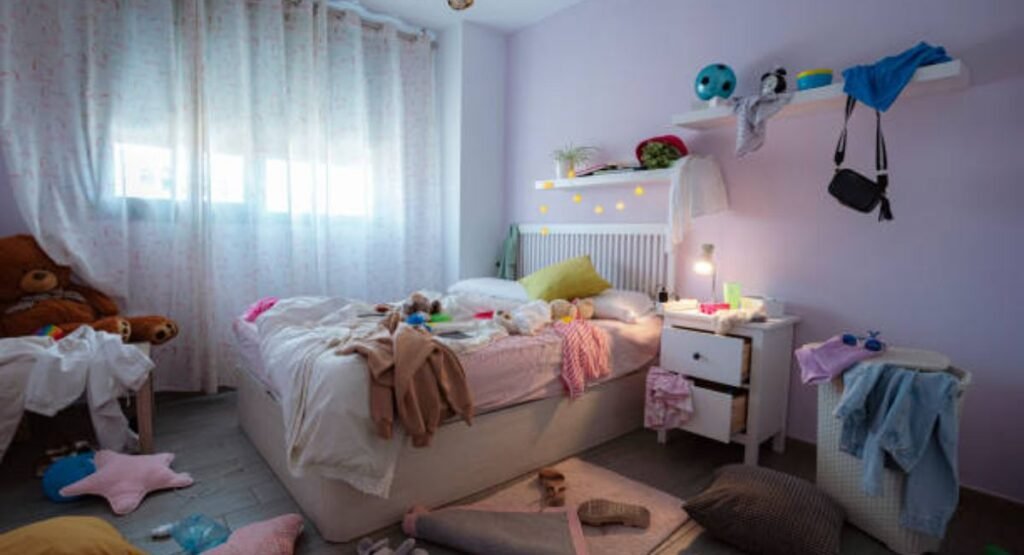
Here’s the thing nobody tells you: a small room doesn’t get messy because you’re careless. It gets messy because there are fewer “landing spots” for your belongings. In a big bedroom, a stray hoodie lands on a chair and nobody notice. In a small one, that same hoodie makes the whole room look chaotic.
Bedrooms also carry a strange mix of jobs. You sleep there, dress there, maybe work there, and store off-season stuff, books and bags there too. When one room does five jobs, storage can not be an afterthought.
The good news is that small spaces respond really well to organization. A tiny room that is tidy often feels cozier and more intentional than a large room full of clutter. Once you understand the main principle which is to use every dimension (height, depth, and hidden gaps) instead of just floor space, the rest becomes much easier.
Start With a Ruthless Declutter
I know, I know. Everyone says to declutter first, and it’s the least fun advice. But in my experience, it’s the step that makes every other idea work. You can not organize your way out of owning too much for the space you have.
Here is the simple method I use:
- Take everything out of one zone say, one drawer or one shelf and look at it honestly.
- Sort into three piles: keep, donate or sell and throw away.
- Put like things together before you decide where they live.
One honest tip: do not try to do the whole room in one afternoon. I did that once and ended up with bags on the floor and zero energy at 9 p.m. Work one drawer or shelf at time. A 20 minute session feel almost too easy, but it adds up faster than you’d think.
Be especially strict about duplicates. I discovered I owned seven black T-shirts that were nearly identical. Seven! Keeping four freed up a surprising amount of drawer space.
Use the Space Under Your Bed
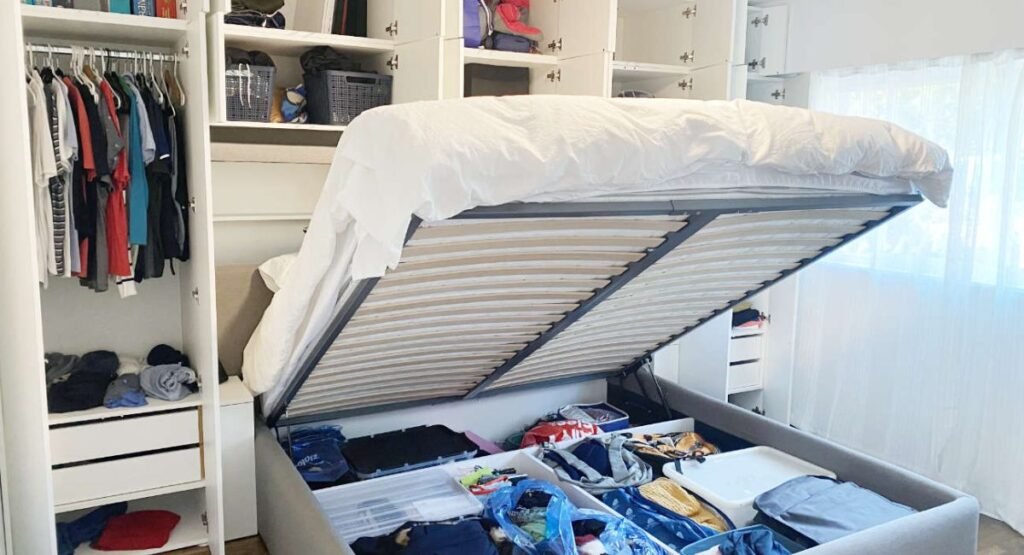
If I could only give you one idea, it would be this one. The area under the bed is probably the biggest chunk of unused storage in your whole room and it is already there waiting.
Rolling Bins and Flat Boxes.
Low-profile containers with wheels are my favorite option. They slide in and out without making you crawl on the floor. I use them for off season clothes, extra bedding and shoes. Before you buy measure the gap between your bed frame and the floor. Even a few centimeter of difference can decide whether a bin fit.
Bed Risers.

If your bed sit too low bed risers can lift it a few inches, which create room for taller containers. Choose sturdy one and make sure they are rated for your bed’s weight. Safety matter more than extra inch of space.
Storage Beds.
Beds with built-in drawers or a lift-up platform are fantastic if you are shopping for a new one. The drawers are usually deep and well-sized for blankets, pillows and seasonal clothing. They cost more upfront, but they can replace a small dresser entirely, which gives you back floor space.
A small warning: do not pack under-bed storage with things you need daily.If getting to it is a hassle you will stop using it. Keep it for stuff you reach for weekly less often.
Go Vertical: Walls and Ceiling Height
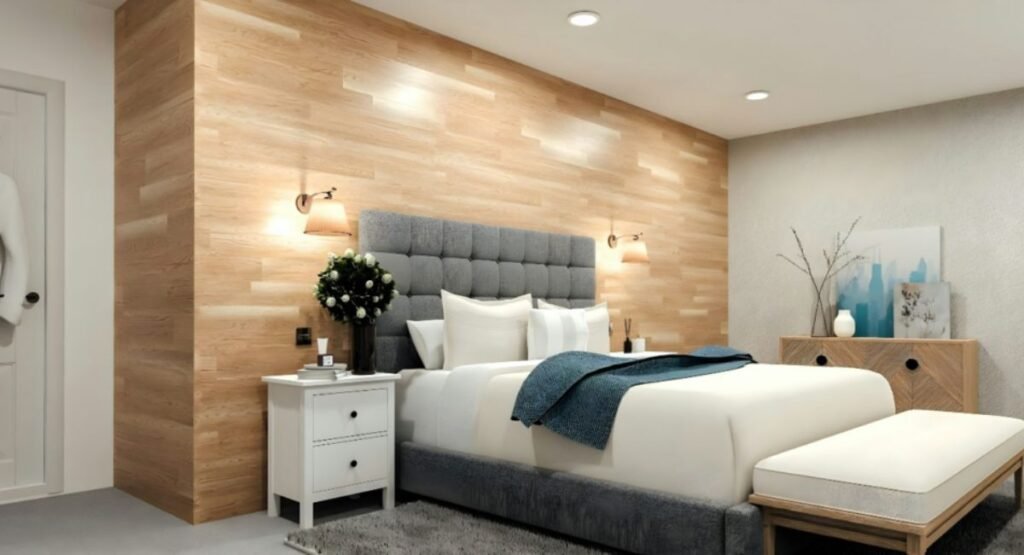
When floor space runs out, look up. Most small bedrooms have lots of wall space that’s either empty or only holding a single poster. Walls are free real estate.
Floating Shelve.
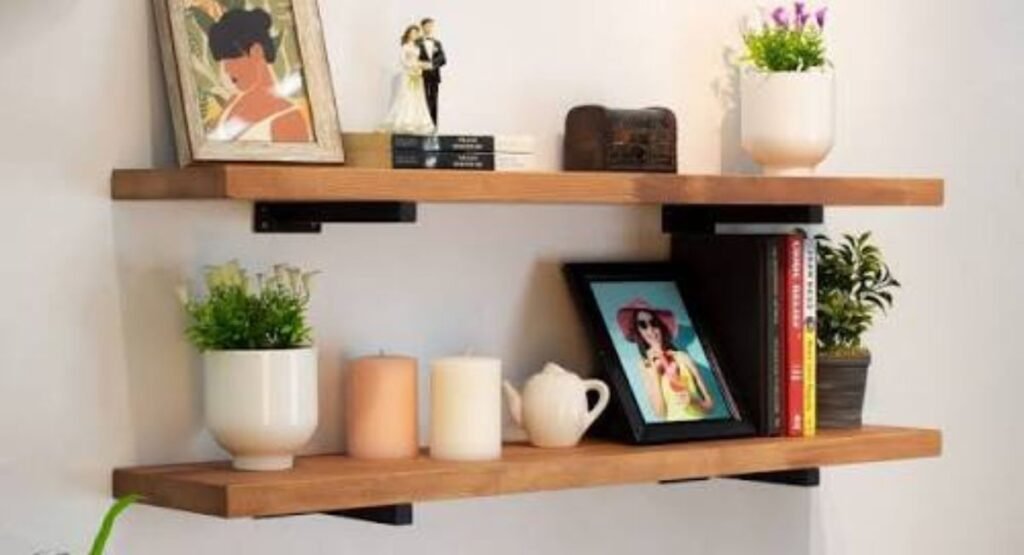
Floating shelves above the bed, desk or door are great for books, plants, baskets, and the small decorative item that otherwise clutter surfaces. I like keeping the lower shelves practical and the top shelf for lighter, prettier things. If you rent, use proper wall anchors and check what your lease allow. Heavy loads need to go into studs or the right fasteners, so please don’t trust a tiny screw in drywall with your books.
Tall, Narrow Bookcases.
A slim bookcase takes up very little floor space but give you several levels of storage. Add fabric bins to lower shelves so the room does not look busy, and leave the upper shelves for thing you want to see.
Wall Mounted Hooks and Pegboards.
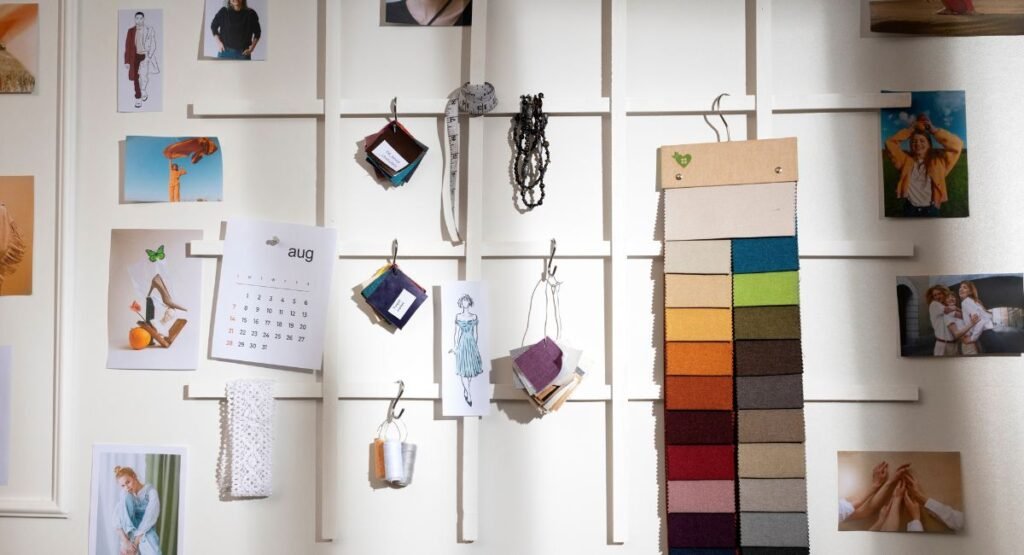
A row of sturdy hook near the door handles bags, scarves, and jackets that otherwise end up on the chair. A pegboard is surprisingly flexible if you like to change thing around. Honestly, I think hooks are the most underrated storage tool out there. They’re cheap, quick to install and they prevent that “chair of clothes” problem better than anything else.
Over-the-Door and Overhead Options.
If your ceilings are high, consider a shelf running along the top of the walls, often called picture ledge or perimeter shelf. It is a good spot for baskets of items you rarely need.
Make Your Closet Work Harder
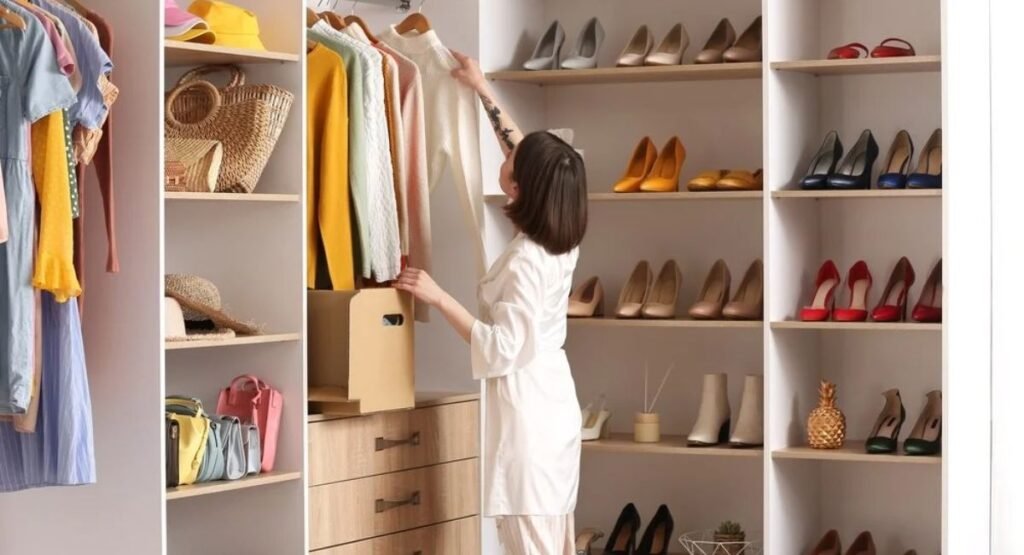
Small bedroom closets are often poorly planned from the start. A single rod and one shelf wastes most of the volume inside. good news is that you can nearly double the usable space without any construction.
Quick upgrade that made a real difference for me:
- Add a second hanging rod. If most of your clothes are shirts and folded trousers, they do not need full-length space. A hanging rod extender lets you stack two rows.
- Use slim matching hangers. Velvet or thin-profile hangers take noticeably less room than bulky plastic or wooden ones, and everything look calmer too.
- Install shelf dividers. They stop stacked sweaters from toppling over.
- Hang shoe organizers inside the door. They work for shoes, but also for scarves, socks and accessories.
- Use the floor smartly. Stackable shoe racks and low drawers keep the closet floor from becoming a pile.
Fold clothes vertically the “file” method, where garments stand upright in a drawer like files in a cabinet if you have deep drawers. You can see everything at once, and you stop digging through the stack and ruining it. I resisted trying this for long time and then I tried it and now I’m bit annoying about it.
If your room has no closet at all a freestanding wardrobe or an open clothing rack paired with basket can work well. Just keep an open rack tidy, because it is very visible.
Furniture That Does Two Jobs.
A small room every piece of furniture should earn place. If it only does one thing ask whether it could do two.
- Storage ottoman or benches at the foot of the bed give you a seat and a hidden compartment for blanket.
- Nightstands with drawers or shelves beat open legged tables, which do not hold anything.
- Headboard with built in shelve are handy for books, glasses and a phone charger, though make sure they do not crowd your pillow space.
- Fold down or wall mounted desks disappear when you are not using them, which is a lifesaver if you work from your bedroom.
- Trunks and chests can double as a side table or a spot for extra bedding.
My own favorite was a narrow bench with lift-up storage that sat under the window. It held spare linens, gave me somewhere to put on shoes and kept the room from feeling cluttered. It cost less than a new dresser and did more.
When choosing furniture, go for piece with legs that show a bit of floor. It sounds minor but seeing floor underneath make the room feel larger and less heavy.
The Forgotten Spots: Doors, Corners and Gaps.
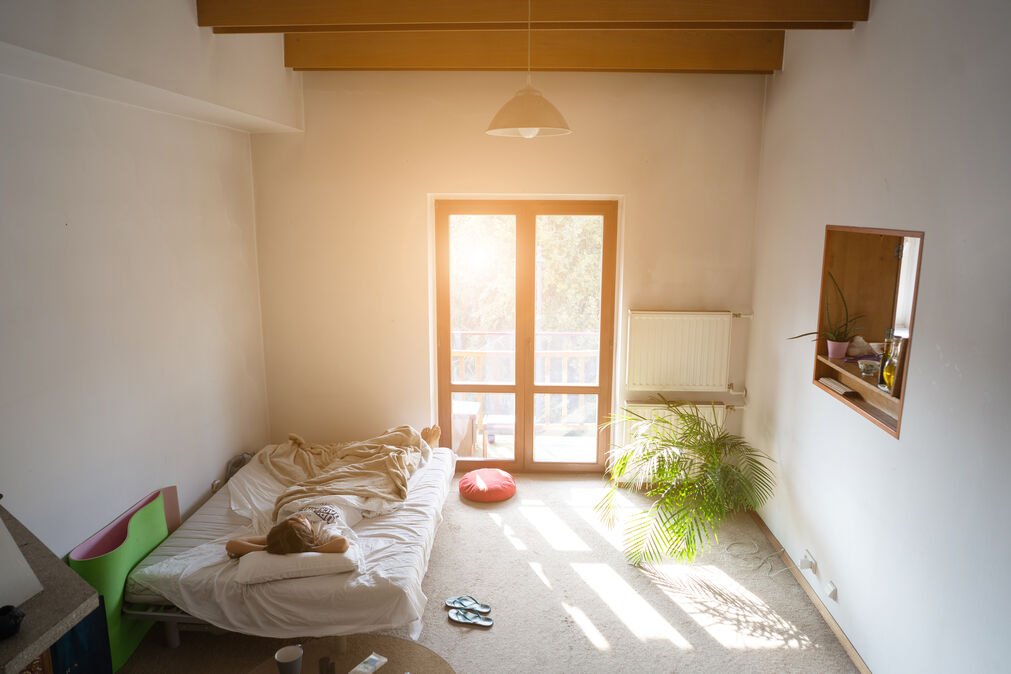
Once you have covered the big areas, look at the leftover space. These little gaps are where small rooms start to feel truly organized.
Behind the door. An over the door rack or slim hanging organizer can hold bags, robes and accessories.
Corner. Corner shelves, a tall plant stand, or triangular unit take advantage of spot that normally go unused.
Between furniture and walls. A skinny rolling cart the kind with three tiers slide into gap as narrow as a hand width or two. I used one next to my dresser for jewelry, skincare and chargers.
Above the dresser or nightstand. Wall mounted organizer keep surfaces clear.
Behind the headboard along the foot of the bed. A shallow shelf can hold small item without eating into floor space.
I also like using small trays on dressers and nightstands. A tray groups loose items such as keys, watches, and lip balm into one defined spot, and a defined spot look tidy even when it is full.
Common Mistake to Avoid.
I have made nearly all of these, so no judgment here.
Buying container before decluttering. You end up organizing things you did not need in the first place.
- Choosing storage that is too big. A huge bin might feel efficient, but it often becomes a black hole. Medium sized, labeled container work better.
- Ignoring how often you use something. Daily item should be at hand height. Rarely used items go up high or under the bed.
- Overfilling shelves. A crammed shelf look messy. Leave a little breathing room.
- Mixing too many style and colors. In a small room a consistent palette of baskets and boxes keeps the visual noise down. Three or four related colors are plenty.
Forgetting about weight and safety. Tall furniture should be anchored to the wall and shelves should only hold what they are rated for. This is especially important if you share your home with children or pets.
Keeping It Organized Long Term.
Storage ideas are great, but habits are what keep a room functional. Here is what has worked for me.
- Follow a one in, one out rule. When something new comes in something old goes out. It is simple, and it keeps you from slowly refilling every inch.
- Do a five minute reset each night. Clothes to the hamper, items back to their spots. It beats a giant cleanup on the weekend.
- Label if it helps. Small labels on under bed bins or closet boxes stop you from opening five containers to find one scarf.
- Review every season. When the weather changes and you swap wardrobes, take a moment to remove what you didn’t wear.
Looking ahead, I’m noticing more people investing in modular, adjustable storage that grows with them, plus furniture designed for compact apartments. Renters especially seem to prefer solutions that do not need drilling. That is a trend I like because good organization shouldn’t depend on owning the walls.
Conclusion,
Small bedrooms are a challenge but they are not a punishment. Once I stopped fighting my tiny space and started working with it the room became one of my favorite parts of the home. The secret was not some expensive makeover. It was bit of decluttering a smarter use of under bed and wall space, and few multi purpose pieces that quietly did their job.
If you are feeling overwhelmed, pick one idea from this list and try it this weekend. Maybe it is a set of hooks or maybe it is clearing out one drawer. Small win build momentum, and before long you will walk into your room and feel calm instead of cramped. You have got this.
Question Answers.
1. What is the best storage solution for very small bedroom?
Honestly, start under the bed. That space is already sitting there empty and it costs almost nothing to use. Then add a few wall shelves and some hooks so your floor and closet are not doing all the work. Those three together handled most of my stuff when I had a tiny room.
2. How can I add storage without drilling into the walls?
Plenty of options here, and I have used most of them as a renter. Freestanding shelves, over-the-door organizers, rolling carts, and adhesive hooks all work well, as long as you check the weight limit on the hooks. A tall, slim bookcase is great too, just strap it to the wall for safety. And glance at your lease first because some landlord are fine with small fixing and others aren’t.
3. How do I store clothe if my bedroom has no closet?
You’re not stuck, I promise. A freestanding wardrobe or an open rack with a slim dresser next to it, does the job nicely. Put folded thing in baskets or fabric bins, and be strict about what hangs on the rack, because an open rack shows everything. Off season clothes can go in bins under the bed so your daily wardrobe stay small and easy to manage.
4. Will adding more storage make my room look smaller?
It can, if you go overboard, but it does not have to. Choose furniture with visible legs stick to a few matching colors, and don’t cram every shelf full. Tall storage actually makes room feel taller, since your eye travels up. Also closed storage like drawers basket and bins looks much calmer than open clutter even if you own the same amount of stuff.