




Introduction.
If your home has a fireplace or heating system, the chimney is doing more work than most people realize — it’s what lets smoke and gases escape safely instead of building up inside.
The problem is the top of that chimney sits out in the open all year round. Rain snow wind falling leaves. Even birds and small animals looking for a cozy spot all of it takes a toll over time if there is nothing there to stop it.
That is where a chimney cap comes in. It is a small addition but it does a lot: keeps moisture and debris from getting in while still letting your chimney breathe and function the way it should.
Picking the right one isn’t just about how it looks though. You will want to think about the size. What it is made of the type of chimney you have the weather in your area airflow and how it will actually get installed.
Get it right and you will spend a lot less time and money on repairs down the road. This guide walks through what to keep in mind before you buy one.
1. Understand Why a Chimney Cap Matters
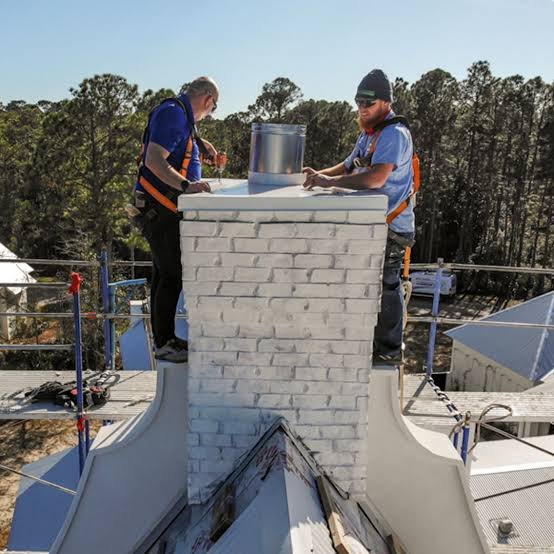
A chimney cap sits right at the top of chimney and its job is pretty straightforward. Protect opening while still letting smoke and gases escape the way they are supposed to.
Rain is really biggest threat to chimney that is left uncovered. Water gets in from the top and slowly starts working away at the masonry the mortar the liner and everything else down there.
Over time. That constant moisture just wears things down. And in colder climates. It gets worse water seeps into tiny cracks and once temperatures drop it. Freezes and expands pushing those cracks open even further.
This is exactly where a chimney cap earns its keep. It blocks most of the rain and snow from getting in which is honestly one of its biggest selling points.
Then there is the debris problem. If there are trees nearby. leaves and twigs end up falling right into an open chimney and strong winds only make it worse by blowing loose material straight toward the opening. A cap acts like a shield against most of that.
And do not forget about animals. Birds and small critters often see an open chimney as the perfect spot to move in. A cap with a mesh screen makes it a lot harder for them to get inside and it stops nesting material from piling up in there too.
So really. A good chimney cap is doing several jobs at once keeping out water blocking debris and shutting out unwanted animal guests all in one simple fix.
2. Identify Your Chimney Type
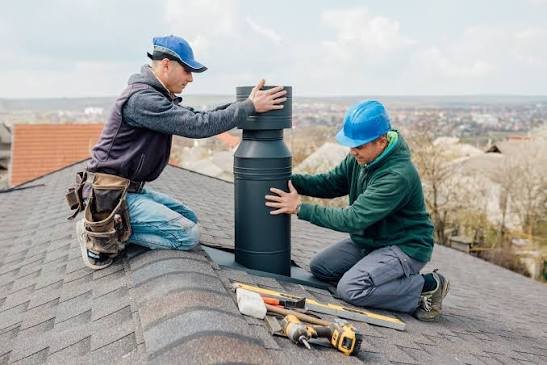
This matters because the cap has to actually match your chimney’s structure. Something designed for a masonry chimney won’t necessarily work fit properly on a prefab one.
Take a good look at the top of your chimney and check how many flues it has. If there is just one main opening. You are dealing with a single flue chimney and you can usually go with a cap made specifically for that one flue. But if there are two more openings. that is a multi flue setup and in that case you will probably need a larger cap that covers the whole top instead of just one flue.
The chimney crown plays a role here too. Some caps sit on top of the crown itself. While others attach directly to the flue so that is another thing to factor in.
And honestly. You are not 100% sure what you are working with it is worth just calling in a chimney professional to take a look. Getting the identification right from the start makes everything else.Choosing the cap installing it a whole lot easier.
3. Measure Before Buying.
Getting your measurements right really matters here. This is not a spot where you want to guess just eyeball it.
Start by measuring the exact area where the cap is going to sit. Depending on the type of cap you are looking at you might need to measure the flue itself the chimney crown sometimes both.
You are dealing with a rectangular opening measure the length and the width and write both numbers down so you do not forget them later. If it is a round flue instead. You will want the outside diameter. But here is the catch: some manufacturers ask for outside measurements and others want inside ones. So double check which one they need before you go with your numbers.
And if your chimney has more than one flue don not just measure a single opening. You need the full area the cap will have to cover. Plus the gaps between each flue opening.
Here is the thing get the size wrong in either direction. And you will run into problems. Too small and the cap won’t cover the chimney properly or stay secured the way it should. Too big and it just won’t fit right. Which brings its own set of installation headaches.
So once you have got your number always cross check them against manufacturer sizing chart. Since these thing are not always standardized one brand measurement might not line up exactly with another.
Basically spending a few extra minutes measuring properly. Now can save you from having to return the thing and buy a replacement later.
4. Select a Suitable Chimney Cap Material

The material you pick is not just about looks. It plays a big role in how long the cap actually lasts. Stainless steel tends to be the go to option for a lot of homeowners and honestly. Its not hard to see why. It just holds up so well against rust and corrosion.. That makes it a solid pick if you are somewhere that sees a lot of rain. Plus once it is install it does not really ask much of you in terms of upkeep.
Copper on the other hand is popular mainly for how it looks.. It gives a home a more classic distinctive feel. And here is the interesting part copper does not stay the same color forever. Over time it develops a patina that greenish weathered look and honestly a lot of people end up loving that aged appearance.
Then there is galvanized steel. Which is usually the more budget friendly route. It comes with a protective coating that fights off corrosion. But that coating won’t last forever eventually it wears down and how long it holds up really depends on your local weather and how good the product actually is to begin with.
Aluminum is worth mentioning too. Its lightweight and does not rust which makes it a decent fit for certain chimney setups.
At the end of the day. It really just comes down to your climate and what you are willing to spend. And sometimes paying a little more upfront is worth it. if it means the cap actually lasts you noticeably longer down the road.. And that is really main point do not pick material just because it look nice. Think about how it going to perform over the year not just how it look on day one.
5. Consider Your Local Weather
The weather in your area should really factor into your decision here. Since your chimney is out there facing the elements 365 days a year not just during storms.
You live somewhere it rains a lot. You will want solid moisture protection go for a cap that gives full coverage over the opening. Snow brings its own demands too; the cap needs to be sturdy enough to handle a normal winter without any issues.
Wind matters just as much. A cap that is not secured properly can come loose during a bad storm. So make sure it is got a solid attachment system and stick to the manufacturers installation instructions rather than winging it.
If you are near the coast. That is a whole different challenge for metal parts salt in the air speeds up corrosion big time. In that kind of environment. It is worth spending on something corrosion resistant and stainless steel usually comes up as the top pick for coastal homes.
Even dry climates are not off the hook. You might not deal with rain much but dust leaves and other debris can still find their way into an uncovered chimney.
So really. Take a minute and really think about what your chimney goes through over a full year.Your local climate should be what shapes both the material and the design you end up choosing.
6. Check the Ventilation and Screen Design
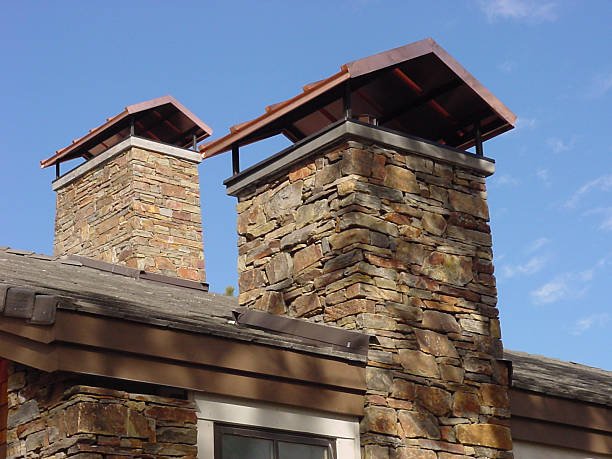
A chimney cap has to do a bit of a balancing act it needs to protect the chimney without choking off the airflow it depends on. That is why ventilation deserves just as much attention as everything else when you are picking a design.
Most caps come with mesh screening around the sides and that mesh is doing double duty: keeping animals and debris out. While still letting air and chimney gases move through the way they are supposed to. Basically it lets the chimney keep doing its job properly.
That mesh needs to actually be durable too. If it is cheaply made. It can bend out of shape break down after being exposed to the outdoors for a while.
The size of the mesh openings matters as well. Smaller openings generally mean better protection against animals and debris. But here is the important part: whatever cap you pick still needs to work with your chimney system as a whole. Do not go messing with the screen yourself in a way that ends up restricting airflow.
Because a blocked chimney is no small thing smoke and combustion gases need a clear safe way out of the house period.
So do not just grab a cap because it has super tight dense screening. Compatibility with your actual chimney matters way more than that. And if you are not totally sure what your ventilation needs are its worth checking in with a chimney professional before you install anything.
7. Choose the Right Style for Your Chimney
Chimney caps really are not a one size fits all deal. They come in all sorts of designs and which ones right for you honestly depends on your chimneys structure and how much protection you are actually looking for.
If you have got a single exposed flue a single flue cap is usually the practical way to go, since it is built specifically around that one opening. But if your chimney has multiple flues. You are better off with a multi flue cap that covers the whole area and protects several openings at once.
As for looks. Some caps go for a flat, low profile design simple clean gets the job done without drawing much attention. Others lean more decorative; copper caps for instance can add a nice bit of character to a more traditional-style home.
That said. Appearance should really come second here. A gorgeous cap is not worth much if it does not actually fit right. So before you get caught up in style take a good look at your chimneys shape first the cap should work with the structure not fight against it.
And if your chimney has an odd shape unusual dimensions off the shelf options might not cut it. That is where a custom cap comes in built around your exact measurements. Yes it will cost more but you get a precise fit in return.
At the end of the day. What you’re really after is a cap that checks all the boxes at once: protection compatibility durability and appearance.
8. Think About Installation and Maintenance
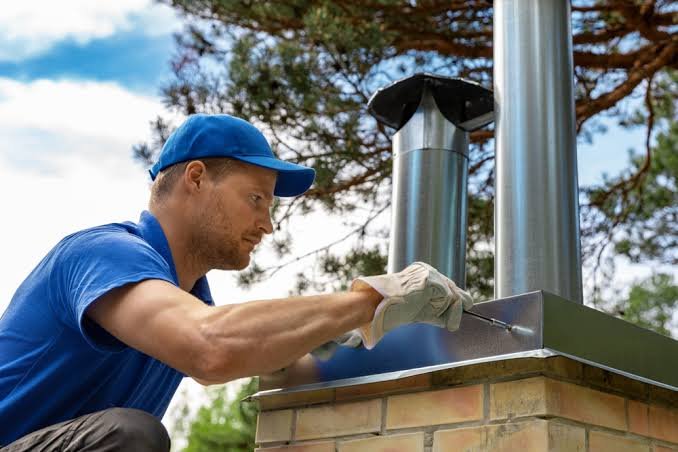
Installation matters just as much as the cap you actually pick. Even the best chimney cap out there won’t perform the way it should if it is put on wrong.
Some caps are pretty straight forward to install. While others need specialized tools a more specific attachment method. Which one you are dealing with really comes down to your chimneys structure. Some caps attach to the flue others attach to the crown instead.
Whatever the method. The attachment needs to be solid enough to hold up against normal wind and weather. A loose cap does not just look bad it can rattle around shift out of place even get damaged over time.
Also be careful with the installation method itself since drilling or fastening things incorrectly can end up creating even more problems than you started with.
And then there is the safety side of things. Working near a chimney often means climbing onto the roof getting up into elevated spots. Which is not something to take lightly. If your chimney is hard to reach. It is probably smarter to just call in a professional rather than risk it yourself. As a bonus they can also check for any existing problems while they’re up there.
Once every things installed. The work does not really stop. you will want to check on the cap every so often. Look for damage or corrosion and check the screen for leaves nests any buildup that is collected over time clearing it out when it is safe to do so.
It is also worth keeping an eye out for loose fasteners any sign the cap has shifted. Catching these little things early usually saves you from bigger more expensive headaches down the line.
9. Avoid Common Chimney Cap Buying Mistakes
One mistake people make way too often is buying a cap without actually measuring chimney first. Get the measurements wrong and you end up with poor coverage and an installation that is way harder than it needs to be.
Another common slip up is just grabbing the cheapest option on the shelf. Look price matters sure but durability and compatibility matter just as much. If not more. A cheap cap often just can not hold up to the weather the way a better quality one can. So it is worth thinking about how long you actually expect it to last before you commit.
Some homeowners also pick a material purely because it looks nice. And yeah looks count for something but the cap still has to survive whatever your local weather throws at it that can not be an afterthought.
Ignoring the chimney type is another trap. A cap made for a masonry chimney is not guaranteed to work on every prefabricated system out there. Along the same lines people sometimes forget to check how many flues they actually have a multi-flue chimney often needs a completely different kind of cap altogether.
Ventilation should not get overlooked either. Whatever cap you pick it still needs to let the chimney system function the way it is supposed to.
Then there is a bigger one: ignoring existing damage. A brand new cap is not going to fix cracked masonry damaged flashing any other structural issues that are already there. If you spot serious damage get the chimney checked out properly before putting on a new cap.
And lastly, think ahead a bit — pick a design that’s actually easy to inspect and maintain down the road, instead of something that’ll be a hassle every time you need to check on it.
10. Compare Quality, Cost, and Long-Term Value
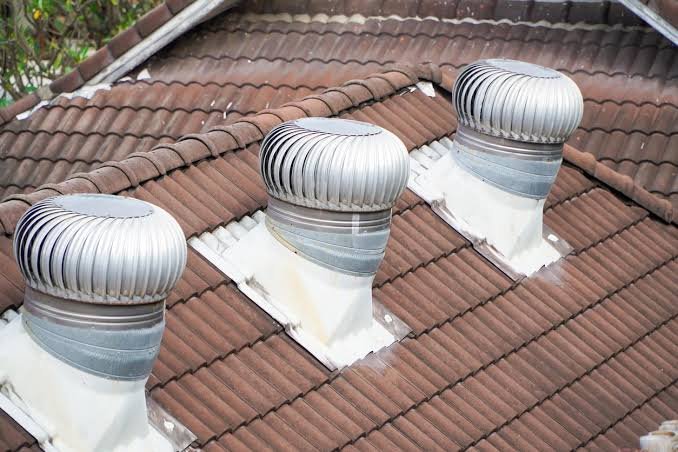
Once you have got a clear picture of what your chimney actually needs. It is time to start comparing your options and do not just look at the price tag on the box.
Pay attention to the material and how well it is built. A solidly constructed cap is going to perform better and last longer plain and simple. It is also worth checking how the cap attaches to the chimney. Since a secure installation is really what makes the protection last over the years.
If the manufacturer provides any info on corrosion resistance expected performance. it is worth reading through it makes comparing similar products a lot easier. A warranty can be useful too though it is not a golden rule; a longer warranty does not automatically mean better quality. But it is still one more thing to weigh in.
Your local environment plays a role here too.
If you are in a wet or coastal area spending a bit more on a corrosion resistant material is probably going to pay off down the line.
And sure. How your home looks matters a chimney cap is right there on the roofline for everyone to see so it does affect the overall look. But looks should really take a back seat to function. Getting the fit right and making sure it operates safely always has to come first.
Honestly. The best value usually is not the flashiest the cheapest option. Its whatever cap actually meets your chimney’s specific needs and gives you reliable protection, without you paying extra for features you do not really need.
And taking a little extra time to compare your choices. Now just makes the whole decision feel a lot less like a gamble.
Conclusion
Picking the right chimney cap is really about more than just grabbing something that fits over the opening. You have got a handful of things to think through chimney type.
Measurements material weather ventilation design installation and how you will maintain it going forward. The best place to start is figuring out your chimney’s structure and getting accurate measurements. That alone goes a long way toward making sure the cap actually covers things properly and can be installed securely
.
From there. Its worth comparing material stainless steel copper galvanized steel aluminum thinking through how each one is actually going hold up in your specific environment. Weather should factor into this too. Rain snow wind even salty coastal air can all wear down a chimney cap over time. So its worth keeping that in mind.
Do not skip over ventilation and screening either. A good cap keeps out the stuff you do not want animals debris without getting in the way of your chimney doing its actual job. And if you are ever unsure about measurements compatibility installation even just the overall condition of your chimney.
Its genuinely worth bringing in professional rather than guessing.
At the end of the day. Chimney cap that is chosen carefully and kept up over time can protect your chimney for years. Take the time to plan it out and you will end up with something that is durable functional and actually looks right on your home.
Question Answers.
1.Why does it actually matter.
Mainly because it keeps moisture from working its way into the chimney over time. On top of that it also cuts down on debris and stops animals from wandering in and making themselves at home.
2.How do I figure out the right size.
Start by measuring the chimney opening carefully do not just estimate it. Once you have got your numbers always check them against the manufacturers size guide since sizing can vary a bit between brands.
3.What are chimney caps usually made of.
You will mostly see stainless steel copper aluminum and galvanized steel. Which ones right for you really comes down to durability your local weather and how much you want to spend.
4.Is stainless steel actually a good choice.
Yeah it holds up well its durable resists corrosion and works fine across most weather conditions.