







Introduction.
A few years back, I went down to grab something from storage and noticed a thin line running up my basement wall. That definitely was not there the last time I looked. My stomach dropped, not gonna lie. I spent the next hour on my phone reading everything. I could find about basement cracks, half of it contradictory, most of it either too vague or way too technical. That is basically why I’m writing this — I wish someone had just laid it out plainly for me back then.
Basement cracks are one of those things that seem small until they are not. And the tricky part is, you genuinely can not tell just by glancing at one whether it is nothing or a warning sign. So let’s get into it.
Why Basement Cracks Happen in First Place.
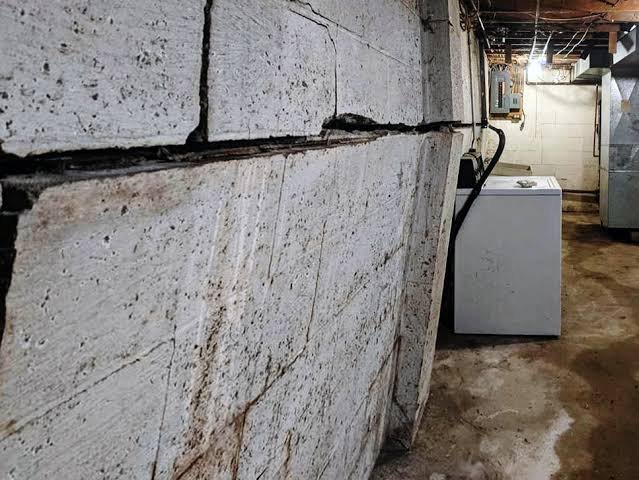
Concrete is tough and durable but it does not have much flexibility . As homes settle over the years. As soil around the foundation expand and contracts with moisture and temperature changes that pressure has to go somewhere. Often it shows up as a crack in your basement wall or floor.
Some of this is completely normal. Concrete shrinks a bit as it cures even years after a house is built. Other cracks, though, are the result of hydrostatic pressure, poor drainage, or foundation settling and those need real attention.
Based on my experience. Talking to contractors and doing my own research after that crack scare, the cause matters just as much as the crack itself. Two cracks can look nearly identical mean completely different thing.
A homeowner inspecting a vertical crack in a basement wall with a flashlight : homeowner inspecting basement wall crack for foundation damage
Tip 1: Learn to Tell the Difference Between Crack Types
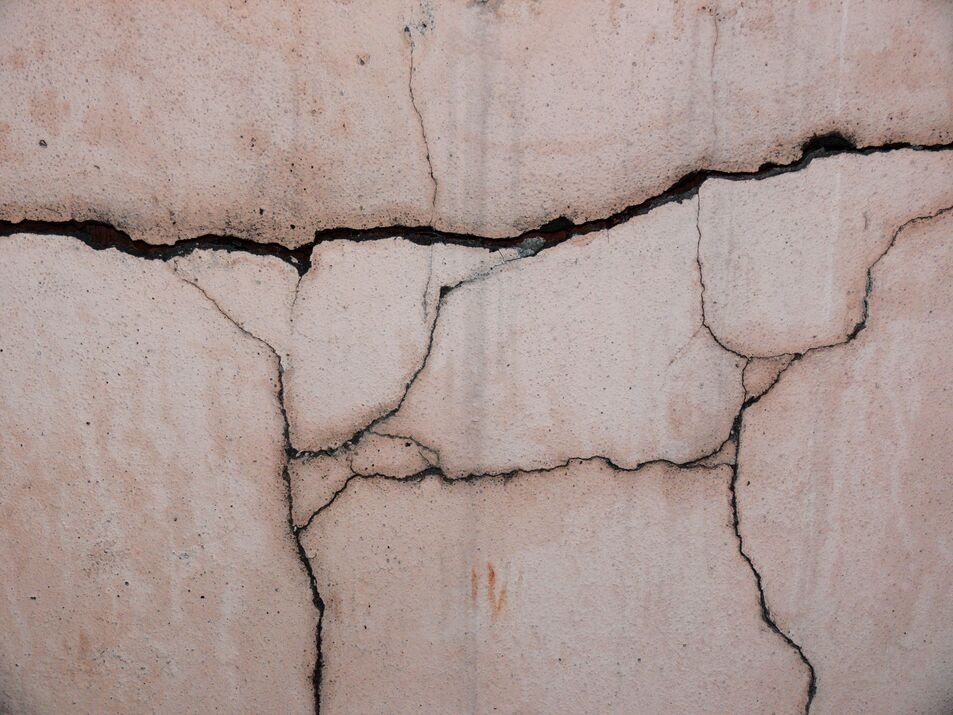
This is honestly the most important skill in this whole guide. Not all cracks are equal and knowing what you are looking at changes everything about how you approach the repair.
Here is simple breakdown:
Hairline cracks — thin often show up in new concrete, usually cosmetic.
Vertical or diagonal cracks — common from normal settling often minor but worth watching.
Horizontal cracks — these are the ones that make contractors nervous since they can point to serious pressure from outside soil.
Stair step cracks — typically found in block or brick foundations, often tied to settling issues.
Wide cracks (over 1/4 inch) regardless of direction, these usually need professional evaluation.
I will be honest, when I first saw my own crack, I did not know any of this. I just assumed “crack equals bad.” Turns out mine was a vertical settling crack pretty common in homes over 15 years old. Still needed sealing but it was not the structural nightmare I would imagined at 11pm while frantically googling.
Why Direction Matters
Vertical movement is usually just gravity and normal settling. Horizontal cracking though often means the wall is being pushed inward by soil water pressure outside. That is a completely different situation and one where cosmetic sealing alone won’t cut it.
Tip 2: Don’t Ignore the Small Ones
I get it — Hairline crack does not feel urgent. But here is the thing: small cracks are basically an open invitation for water and water is sneaky. It does not need big opening to cause damage over time.
1, Left alone even a minor crack can lead to:
2, Slow ongoing moisture seepage.
3, Mold and mildew growth especially in humid climate.
4, Efflorescence — that white chalky mineral buildup on concrete.
5, Gradual weakening of the surrounding material.
6, Higher humidity that affects air quality throughout the house.
None of that happens overnight. After testing this myself with a small hairline crack in a laundry room wall. I noticed a musty smell developing within about eight months of ignoring it. That smell was mold. A five dollar tube of sealant early on would have saved me a much bigger cleanup later.
Tip 3: Match the Repair Method to the Cause
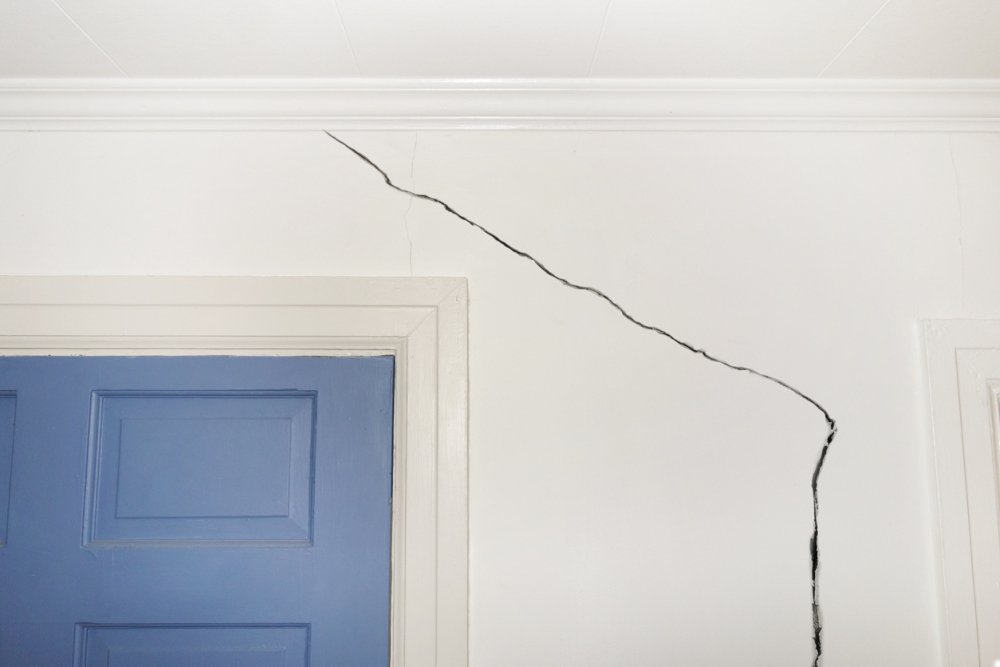
where a DIY repairs go wrong. People buy a caulk gun squeeze some sealant into the crack and call it done. Sometimes that is fine. Often, it is not enough.
Common Repair Methods.
Epoxy injection works well for structural non moving cracks and actually bonds the concrete back together. restoring some strength.
Polyurethane foam injection is better suited for crack that are actively leaking water since it expands and seals even in damp conditions.
Hydraulic cement is solid choice for quick fixes on active leaks though it is more of a patch than a long term structural solution.
Carbon fiber strips or staples come into play when a wall has some bowing movement adding reinforcement rather than just sealing.
The mistake I see most often? Using surface caulk on a crack that is actually leaking from hydrostatic pressure. It might look sealed for a few weeks then the water just finds another path around it. Frustrating and honestly a waste of a Saturday afternoon.
Close-up of epoxy injection repair kit being used on a foundation crack: epoxy injection kit repairing basement foundation crack.
Tip 4: Deal With Water Issues Before You Patch Anything.
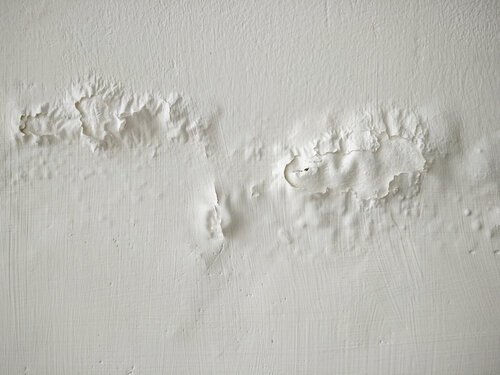
Here is something that trip lot of people up. If water is the reason your basement is cracking. patching the crack without fixing the water problem is basically putting a bandage over symptom instead of treating the actual issue.
Before repairing it is worth checking:
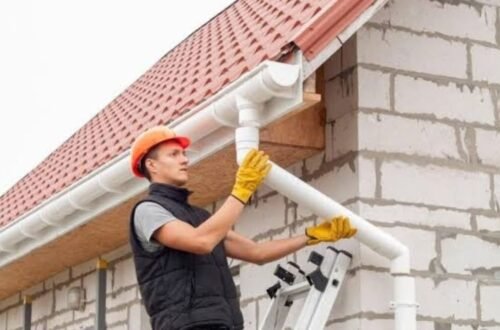
Are your gutter and down spouts directing water away from the foundation?
Is the ground around your house sloped correctly does it pool near the wall?
Is there sump pump and is it actually working?
Has the soil around foundation been disturbed recently new landscaping, digging, etc?
I learned this one the hard way. My neighbor patched a crack twice in same spot over two summer before realizing his down spout was dumping water directly. Next to his foundation the entire time. Once he redirected it the problem basically stopped. The crack repair itself was almost secondary.
Tip 5:Know When to Call a Professional?
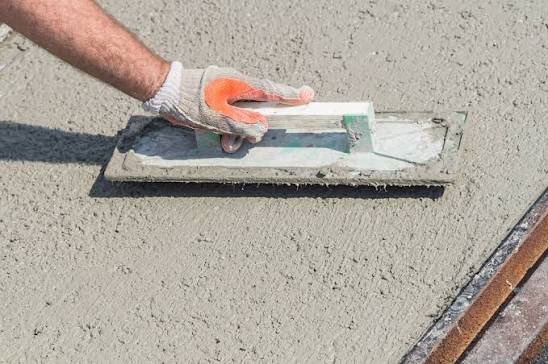
I’m all for doing thing yourself. When it make sense but basement crack are one area. Where I would rather be cautious. There is real difference between a cosmetic fix and structural one. And misjudging it can get expensive fast.
Call professional if you notice:
Horizontal cracks especially with any visible bowing.
Cracks wider than a quarter inch.
Cracks that are growing changing over a few weeks.
Doors windows that suddenly stick or do not close right.
Multiple cracks appearing around the same time.
A structural engineer foundation specialist can assess whether it is a surface issue or something that needs underpinning, wall anchors, or bracing. Yes it costs more upfront than a DIY tube of sealant. But compared to a foundation replacement down the line, it is really not close.
Common Mistakes Homeowners Make
Since we are being honest here, let is talk about what not to do:
Painting over a crack without sealing it first — this hides the problem instead of solving it.
Ignoring recurring cracks in the same spot that is usually a sign of ongoing movement not a one-time event.
Using the wrong sealant for situation — surface caulk on an active leak just won’t hold.
Waiting for “the right time” small cracks rarely fix themselves and moisture damage compounds over time.
Skipping the drainage check as mention above this is the step people forget most often.
Final Thoughts.
Basement cracks are not fun to deal with, and I know the instinct is either to panic to ignore it completely. Neither one is great. The real answer sit. somewhere in the middle: pay attention understand. what you are looking at and act before small issue turns into a big one.
If there is one thing. I would want you to take from this it is that patience and a bit of investigation go a long way.
Figure out the cause match repair to the problem, and do not be afraid to bring in a professional if something feels off. Your basement and your future self — will thank you.
Finished, sealed basement wall crack with dry surrounding area : repaired and sealed basement wall crack after waterproofing.
FAQs
1.How do I know if basement crack is serious?
Honestly a few things give it away. Horizontal cracks anything wider than a quarter inch a crack that seems to be getting bigger over time those are the ones that should get your attention. A vertical hairline crack is usually nothing to stress about. But if you are also seeing the wall bulge water coming in doors that suddenly won’t close right, do not just assume it is minor. Get someone to look at it.
2.Can I repair basement crack myself?
If the crack is small, is not leaking, and is not moving yeah — a DIY epoxy polyurethane injection kit works fine for a lot of people. I have seen plenty of homeowners handle this on their own with decent results. But if there is any sign the wall is shifting water is actively getting in, it is really not worth the gamble. Call a foundation specialist instead.
3.How much does professional basement crack repair typically cost?
It really depend on how bad crack is and what kind of fix it needs. A basic injection repair is usually pretty affordable. But if you’re dealing with actual structural work, like wall anchors or underpinning, the price jumps up a lot. Best move honestly is just get two or three quotes so you know what’s normal for your situation instead of guessing.
4. Are basement cracks common in newer homes?
Yeah, more than people expect. Concrete keeps curing and shrinking a little for a year or two even after your house is built, so small hairline cracks showing up isn’t some huge red flag. Still, don’t just ignore them completely — even a tiny crack can let moisture sneak in if you never seal it up.